
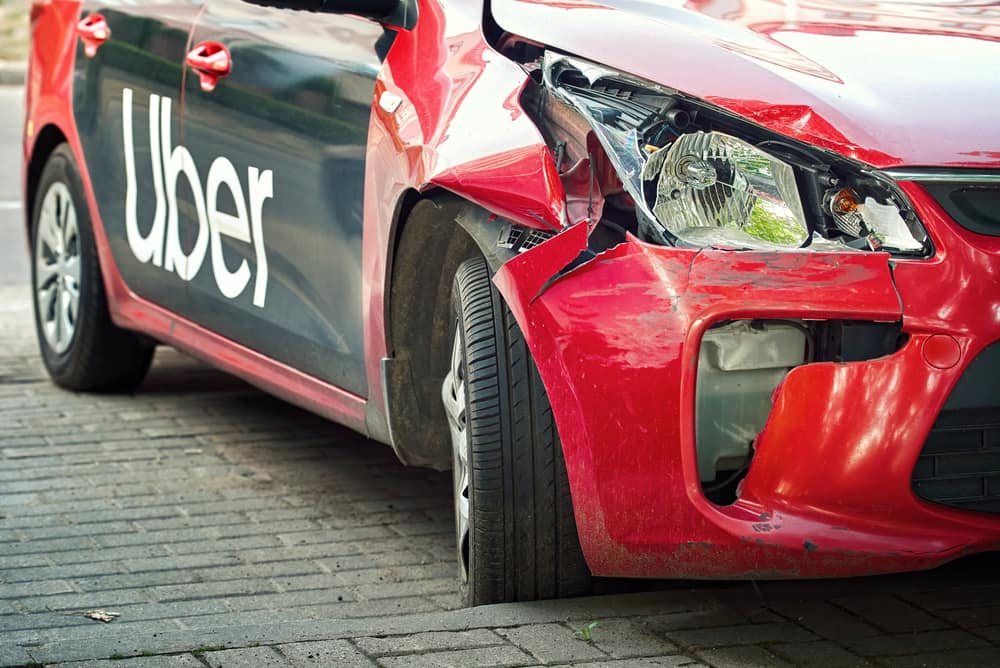
Rideshare insurance coverage in Oklahoma is often described as generous, and for an injured passenger it usually is. For the driver, and for anyone whose situation falls between the coverage phases, the picture is different. The Oklahoma Transportation Network Company Services Act sets required minimums, and the same statutory scheme authorizes personal auto insurers to walk away entirely during rideshare use.
Knowing which policy applies is the first question in any Uber or Lyft claim. Knowing what that policy leaves out is the second, and it is the one nobody asks until a bill arrives.
How Much of an Uber or Lyft Crash Does the Company's Insurance Actually Pay?
It depends on what the app was doing, and the $1 million figure people have heard about covers third parties rather than the driver. Oklahoma law expressly permits a driver’s personal auto insurer to exclude all coverage while the driver is logged on to a rideshare network, and to refuse to defend such a claim. The result is a set of gaps that surprise drivers and passengers in different ways.
The Three Phases, in Two Minutes
Oklahoma ties coverage to what the driver was doing, and 47 O.S. § 1025 sets the required minimums for each phase.
With the app off, the driver is on their personal policy like any other motorist.
With the app on and no ride accepted, the company must carry primary liability coverage of at least $50,000 per person and $100,000 per incident for death and bodily injury, plus $25,000 for property damage. From the moment a ride request is accepted through completion of the ride, that rises to at least $1,000,000 for death, bodily injury and property damage.
One detail drives more disputes than any other: under 47 O.S. § 1011 a prearranged ride begins when the driver accepts the request, not when the passenger gets in the car. A crash on the way to a pickup falls in the $1,000,000 phase.
The Gap Oklahoma Law Expressly Allows
One provision does most of the damage, and AP Injury Lawyers raises it early because insurers rarely volunteer it.
Under 47 O.S. § 1027, insurers writing automobile insurance in Oklahoma “may exclude any and all coverage afforded under the owner’s insurance policy for any loss or injury that occurs while a transportation network company driver is logged on to a TNC’s digital network or while a driver provides a prearranged ride.”
The same section adds that insurers excluding coverage on that basis “shall have no duty to defend or indemnify any claim expressly excluded thereunder.”
That is the whole gap in two sentences. The Legislature did not merely permit the standard business-use exclusion, it removed the insurer’s duty to defend along with it. A driver relying on a personal policy during app hours may have no coverage and no lawyer provided.
The Oklahoma Insurance Department makes the same point in plainer language, warning that “personal auto insurance typically excludes liability coverage for business use when a personal car is being used to transport people for a fee.”
Oklahoma also requires the rideshare company to disclose this to drivers. Section 47 O.S. § 1026 obligates the company to tell the driver that their own policy “might not provide any coverage” while logged on, depending on its terms. That disclosure lives in onboarding documents most drivers click past.
What the Million-Dollar Policy Does Not Cover
Three things, and each one catches a different person.
The driver’s own injuries
The $1,000,000 in coverage is third-party liability insurance. It exists to pay people the driver injures, including passengers and occupants of other vehicles. It is not health coverage for the driver.
Some states require rideshare companies to provide occupational accident or workers’ compensation style protection for drivers. Oklahoma is not among them. A driver hurt in a crash they caused is generally looking at their own health insurance, any medical payments coverage they carry, and whatever optional injury protection they purchased through the app.
Where another driver caused the crash, that driver’s liability policy becomes the source of recovery, subject to its limits.
The driver’s own vehicle
Physical damage to the rideshare driver’s car is handled through what both companies call contingent comprehensive and collision coverage, and the key word is doing a lot of work.
Both Uber and Lyft currently publish a $2,500 deductible on that coverage. Uber reduces it to $1,000 for vehicles obtained through its own marketplace program. Those figures are set by the companies rather than by statute, so they can change, and a driver should confirm the current number in the app rather than relying on any article.
Anything that happens with the app off
Commuting to a busy area, driving between platforms, or sitting in a lot before logging on all fall outside rideshare coverage entirely. The personal policy applies, and this is the one phase where it clearly does.
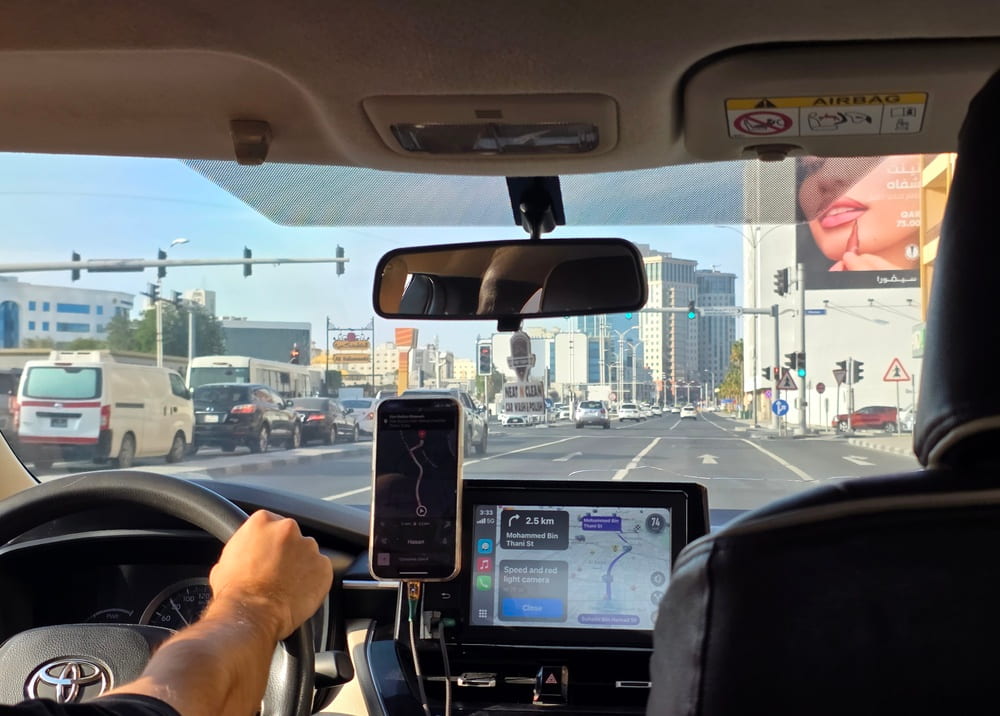
Why "Contingent" Is the Word That Matters
Contingent coverage is conditional on something else existing. Lyft states plainly that its contingent comprehensive and collision applies only if the driver maintains comprehensive and collision coverage on their own personal auto policy.
A driver carrying liability-only insurance, which is legal in Oklahoma and common among drivers trying to keep costs down, has no physical damage coverage at all. Not from their own policy, because they did not buy it, and not from the rideshare company, because the contingent coverage has nothing to attach to.
That is the single most expensive misunderstanding in rideshare driving, and it surfaces only after a crash.
What If the At-Fault Driver Is Not the Rideshare Driver?
Then uninsured and underinsured motorist coverage becomes the important policy, and Oklahoma’s minimums make clear why.
The state’s minimum liability limits are $25,000 per person and $50,000 per accident for bodily injury under 47 O.S. § 7-324. A serious injury exhausts $25,000 before most people leave the hospital.
Oklahoma requires insurers to offer uninsured motorist coverage under 36 O.S. § 3636, and the Transportation Network Company Act requires the rideshare company’s policy to include uninsured motorist coverage where it has not been waived under that section. A named insured may reject uninsured motorist coverage, but only in writing, and the statute provides that a signed rejection “shall remain valid for the life of the policy.”
That last point deserves emphasis. A rejection signed once at a kitchen table years ago is still in force today, and most people who signed one do not remember doing it. The Oklahoma Insurance Department publishes consumer information on how this coverage works.
What Does a Rideshare Endorsement Actually Do?
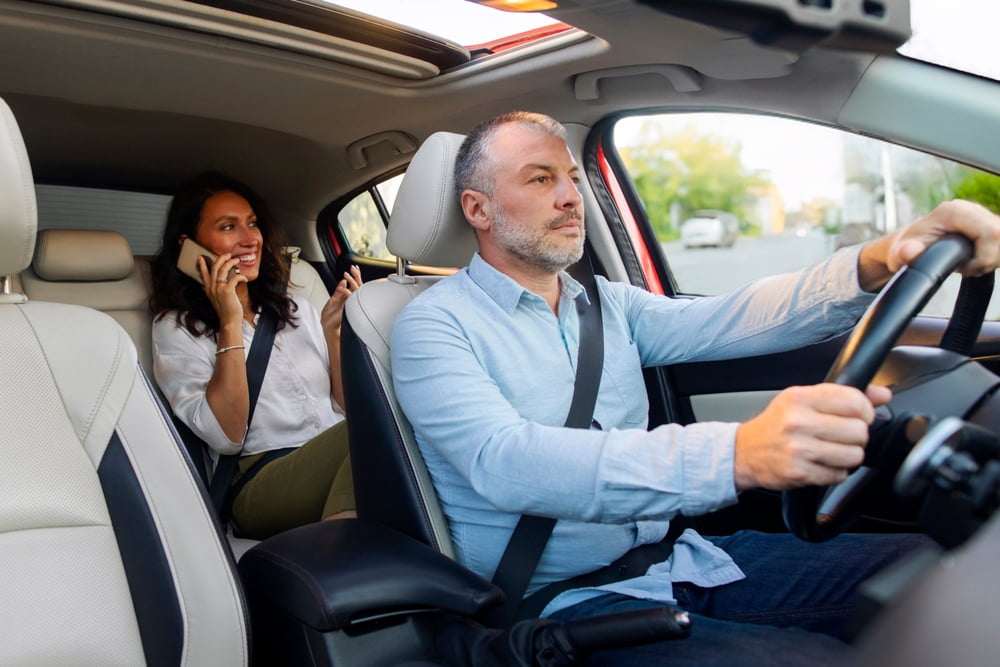
It closes the phase-one gap on a personal policy. A rideshare endorsement, sometimes sold as a ridesharing or transportation network driver add-on, extends the personal auto policy into the period when the app is on and no ride has been accepted, and in some versions it preserves the driver’s own physical damage coverage during app use.
Availability and terms vary by carrier, and the endorsement is not standardized across the industry. A driver who wants one should ask their own insurer directly what it covers during each phase and what it does to the deductible. The Insurance Department’s auto insurance resources include policy forms from the largest carriers writing in Oklahoma.
Which Records Decide the Coverage Question?
The trip log, and it lives on the rideshare company’s servers rather than on anyone’s phone.
The record showing the exact second a ride request was accepted is what separates a $50,000 policy from a $1,000,000 policy. Screenshots taken by a driver help, but the authoritative record is the company’s, and getting it typically requires a formal preservation request.
Passengers should save the trip receipt and the in-app trip history entry immediately. Drivers should note the trip identifier. Both tend to matter more than anything either person says about what the app was showing.
What Drivers and Passengers Often Check First
For drivers, the useful step is reading two documents before anything happens. The first is the declarations page of the personal policy, specifically whether comprehensive and collision are on it and whether uninsured motorist coverage was rejected. The second is the insurance page inside the driver app, which states the current deductible and what optional protection is available.
For passengers, the useful step after a crash is capturing the trip record and reporting through the app, while understanding that an in-app report is not the same thing as an insurance claim.
Both should get evaluated medically the same day, since the coverage question takes weeks to resolve and the medical record cannot be recreated later.
Rideshare Coverage Questions People Ask
I was a passenger. Does it matter whether my driver or the other driver caused the crash?
It affects which policy pays, not whether you have a claim. As a passenger you are almost never at fault, so the question is whether the recovery comes from the rideshare company’s coverage, the other driver’s liability policy, or both.
I drive for Uber and got hurt in a crash that was my fault. Is anything available?
The rideshare company’s liability coverage is for the people you injured rather than for you. Your own health insurance, any medical payments coverage, and any optional driver injury protection you enrolled in are the usual sources. It is worth confirming what you actually elected, since these are opt-in.
My personal insurer denied the claim because I was logged on. Can they do that?
Oklahoma law expressly permits that exclusion and removes the duty to defend along with it. The practical response is to identify the rideshare company’s coverage for the phase in question rather than to fight the personal carrier.
Can both the rideshare policy and another driver's policy pay on the same crash?
Yes, in the right circumstances. Multiple policies can apply to a single collision, and identifying all of them early is part of the work. Oklahoma also assigns each responsible party only their own share of fault, so leaving a policy unidentified can mean leaving money unrecovered.
Does the coverage change if I was driving for both apps at once?
It can, and it depends on which app had an accepted ride at the moment of the crash. Running two platforms simultaneously makes the timestamp question harder rather than easier, which is another reason the trip records matter.
Call For A Free Consultation.
Available 24 Hours A Day, 7 Days A Week.
One Timestamp, Two Very Different Policies
Rideshare coverage looks generous on a marketing page and turns technical the moment a claim is filed. The difference between $50,000 and $1,000,000 can come down to a few seconds in a server log, and the difference between covered and uncovered can come down to a sentence in a personal policy that a driver has never read.
If you were hurt in an Uber or Lyft crash in the Oklahoma City metro, as a passenger, a driver, or in another vehicle, AP Injury Lawyers can work out which policies actually apply before anyone starts negotiating. There is no charge for the conversation. Call or text +1 (405) 336-3000, or reach us through our contact page.
