
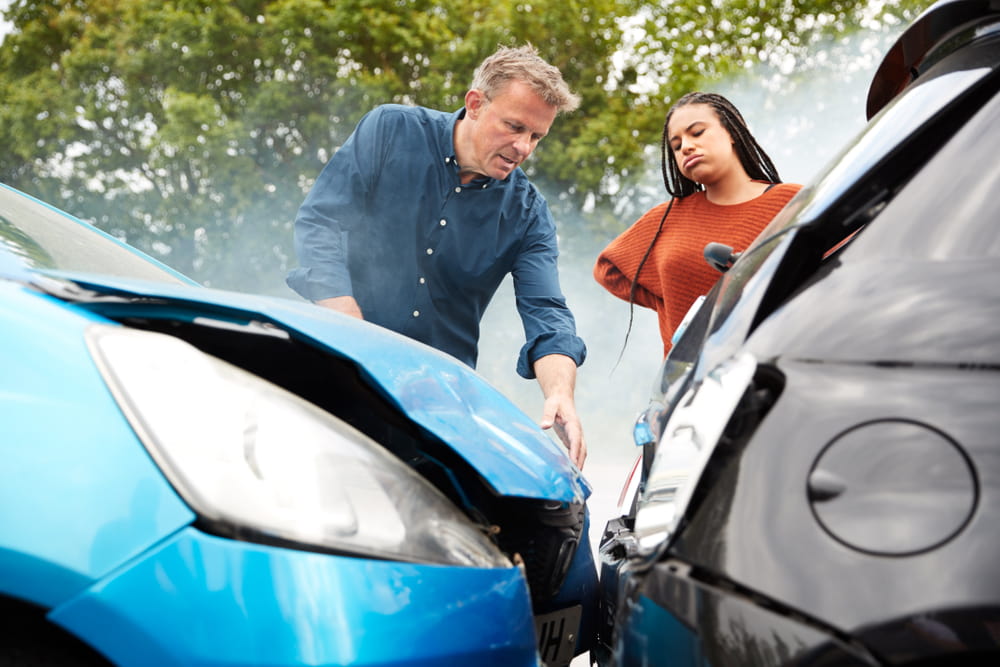
People who were partially at fault in Oklahoma often disqualify themselves before anyone reviews the facts. They replay the moment, find something they could have done differently, and stop there.
Oklahoma law does not work that way. Fault gets divided rather than assigned, and the threshold that ends a claim sits considerably higher than most people assume. What follows are the situations that make people put the phone down.
Key Takeaways About Shared Fault Claims
- Partial responsibility reduces a recovery proportionally. It does not eliminate one until your share passes the other side’s.
- Adjusters assign fault percentages early, on incomplete information, and those figures move regularly.
- Officers arrive after the fact and record impressions, which physical evidence has repeatedly contradicted.
- Facts that feel disqualifying, like a prior injury or a missed seat belt, generally affect the amount rather than the right to recover.
- Deciding you have no claim is itself a decision, and it is usually made with less information than an insurer has.
Key Statistics About Injuries in Oklahoma
State health data shows how many Oklahomans end up in this position each year.
- Oklahoma recorded 19,390 injury deaths between 2017 and 2021, more than 3,800 per year, with 68% classified as unintentional, according to the Oklahoma State Department of Health.
- The same report counted 107,389 nonfatal injury hospitalizations over that period, more than 21,000 a year, with medical costs of $7.98 billion.
- Oklahoma seat belt use stood at 86.4% in 2024, per the Oklahoma Highway Safety Office. The share who were not belted still have claims when someone else causes a crash.
Does Sharing Some of the Blame End an Oklahoma Injury Claim?
No. Oklahoma reduces a recovery in proportion to your share of responsibility and bars it only once your share is greater than the other side’s. A ticket, a report naming you, an apology, or a prior injury to the same body part changes the amount at most. None of it binds, including the insurer’s percentage. Most people who decide alone that they have no claim never find out.
Which Situations Make People Assume They Have No Claim?
A short list, and each one rests on a mistaken premise.
What happened | What people assume | What actually matters |
You rear-ended a car that cut in front of you | Rear driver is always at fault | Whether the lead vehicle changed lanes unsafely |
You were going a few miles over the limit | Speeding voids the claim | Whether the speed caused or worsened the crash |
You said “I’m sorry” at the scene | You confessed | Nothing about courtesy establishes legal fault |
The officer wrote you up | Fault is settled | What the physical evidence actually shows |
You crossed outside the painted lines | You were jaywalking | Oklahoma recognizes unmarked crosswalks at intersections |
You had hurt that shoulder before | The injury is not new | Whether the crash worsened an existing condition |
You were not wearing a seat belt | You gave up the claim | It may reduce a recovery, not end one |
You waited a week to see a doctor | You lost your chance | Delayed symptoms are common and explainable |
Do the Things You Said at the Scene Count Against You?
Less than people fear, and rarely in the way they imagine.
Does apologizing mean admitting fault?
An apology is a statement a person made under stress. It is not a legal determination, and it does not establish that any element of a negligence claim is satisfied.
That said, it is a fact that ends up in a file and gets argued about. Most people apologize reflexively after a collision regardless of who caused it, and that context is available to explain it. What resolves the question is physical evidence, not phrasing.
What if you told the officer you did not see the other vehicle?
Failing to see something is not the same as causing a crash. Drivers who genuinely could not have seen an approaching vehicle in time say this constantly, and it describes their perception rather than their conduct.
Sightline photographs from the driver’s position often turn this statement from an admission into support.
What Weight Does a Police Report Actually Carry?
Real but limited weight. The officer usually arrived after everything happened, spoke to people who were shaken, and formed a view under time pressure.
Report narratives get revised when better evidence appears. Vehicle damage patterns, final resting positions, event data recorder downloads, and independent witnesses have all reversed initial conclusions in both directions.
Does a traffic citation end the claim?
No. Traffic court and a civil claim are separate proceedings with different standards of proof, and cases get won against the ticket routinely.
Paying a ticket to make it go away is worth pausing on, since how that resolution gets characterized can surface later in the claim.
Which Facts Reduce a Recovery Without Ending It?
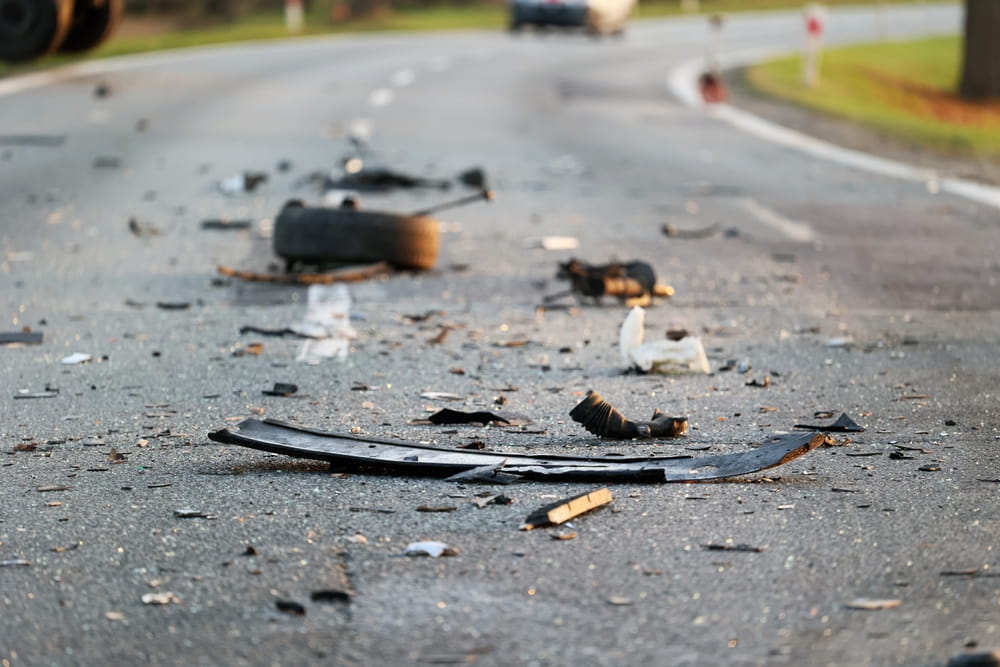
Several, and grouping them this way is more useful than treating each as fatal.
What if you were not wearing a seat belt?
Oklahoma permits the other side to raise it, and it becomes one input into a fault percentage rather than a disqualifier.
What if you had a prior injury to the same body part?
This is one of the most common reasons people talk themselves out of a claim, and it is among the weakest.
A person with a degenerative disc who was asymptomatic before a crash and required surgery afterward has a claim about the change. What matters is the difference between the before and the after, documented by someone qualified to describe it.
Prior treatment records help here rather than hurting. They establish the baseline the crash altered.
What if you waited to see a doctor?
A gap invites an argument, not a dismissal. Wait times for referrals, work schedules, childcare, and cost all explain delays, and explanations recorded at the time carry more weight than the same explanation offered a year later.
How Much Fault Is Too Much in Oklahoma?
The claim ends only once your share becomes greater than the other side’s, which is a considerably higher bar than most people worried about it are anywhere near.
What that threshold means in practice, how percentages get assigned, and what happens when several parties share blame are worked through separately. The point here is narrower. A number an insurer puts on you early is a starting position rather than a finding, and it moves regularly once evidence arrives.
When Should You Call If You Think You Were Partly at Fault?
Sooner than if you think you were blameless, which is the opposite of what most people do.
Shared-fault cases live on physical evidence, and physical evidence disappears fastest. Vehicles get repaired, scenes change, and event data recorder information gets overwritten. The person who waits three months because they assumed they had no case arrives with the weakest version of the one they did have.
The tell is catching yourself explaining to someone why you are not pursuing it. That explanation is almost always a legal conclusion reached with no legal information.
What Helps When Your Own Conduct Is in Question?
Shared-fault claims turn on perception, which is a narrower subject than it sounds.
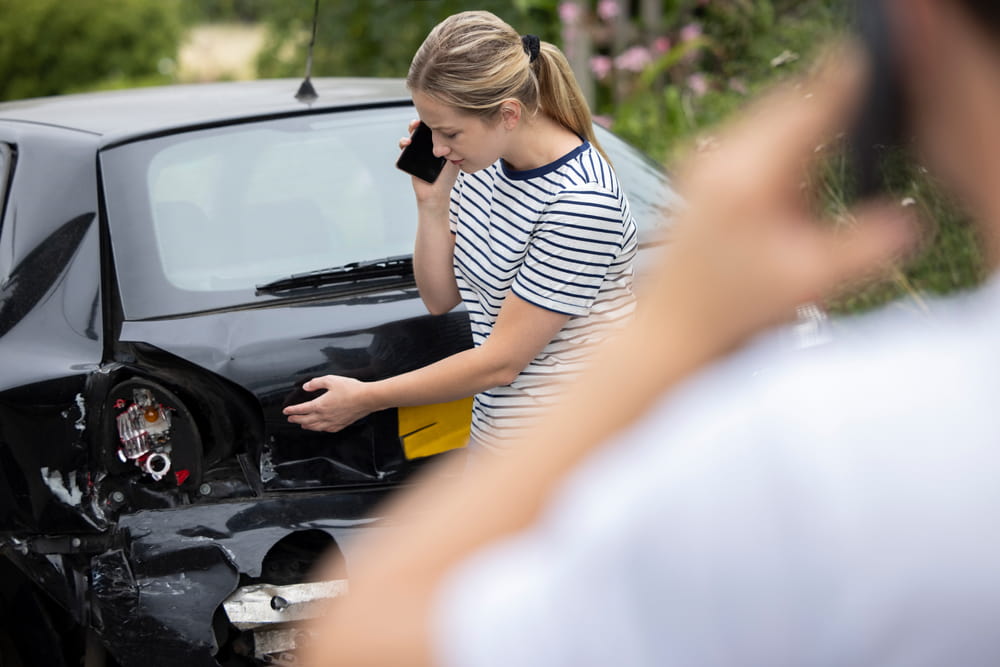
What a person could reasonably have seen is the first question, and photographs taken from each driver’s seat answer it better than damage photos do. Sightlines, sun angle, parked vehicles, foliage, and signage all belong in that set, and several of them change with the season.
What that person did next is the second question. Reaction shows up in physical evidence rather than in testimony, which is why holding off on repairs long enough to document the vehicle matters more in these cases than in clear-liability ones.
Witness names are worth more than witness statements taken at the scene, because a neutral account gathered a week later reads very differently from one collected while everyone is still upset.
Partial Fault Questions Answered by Attorneys
How do carriers actually settle a claim where both sides share blame?
Usually at a negotiated percentage rather than an all-or-nothing outcome. Two carriers exchange positions, each supports its number with whatever the file holds, and the gap narrows. A dispute over the split is an ordinary feature of these claims, not a sign one is failing.
Does admitting some fault to my own insurer hurt me?
Your policy generally requires cooperation with your own carrier, so candor there is expected. What you say still travels, which is why describing what you observed rather than concluding who was responsible is the more accurate approach.
What if there were three vehicles and everyone blames each other?
Multi-vehicle claims are where fault allocation matters most, and where naming every responsible party changes the outcome. These deserve early review because the analysis is comparative rather than binary.
If I was drinking but under the limit, is my claim gone?
Not automatically. Being under the legal limit is not the same as being impaired or at fault, and the question remains what actually caused the crash. It will be raised, and it is worth being ready for rather than surprised by.
My teenager was hurt and may have been partly responsible. Does that change things?
A minor is not held to an adult’s standard of care, and the younger the child the wider that gap. Minors’ claims also run on their own timing rules, which makes early review worthwhile even when nobody plans to file soon.
Call For A Free Consultation.
Available 24 Hours A Day, 7 Days A Week.
The Call That Never Gets Made
The most common way an Oklahoma injury claim ends is not a denial or a missed deadline. It is someone deciding privately that the crash was partly their fault and never asking anyone.
Insurers do not correct that conclusion. Finding out whether it was accurate takes one conversation and costs nothing.
AP Injury Lawyers is located at 2248 NW 40th Street in Oklahoma City and serves clients in Oklahoma City, Norman, Moore, and Edmond. Call (405) 336-3000 at any hour, or reach us through our contact page. Consultations are free, and there is no fee unless there is a recovery.
