
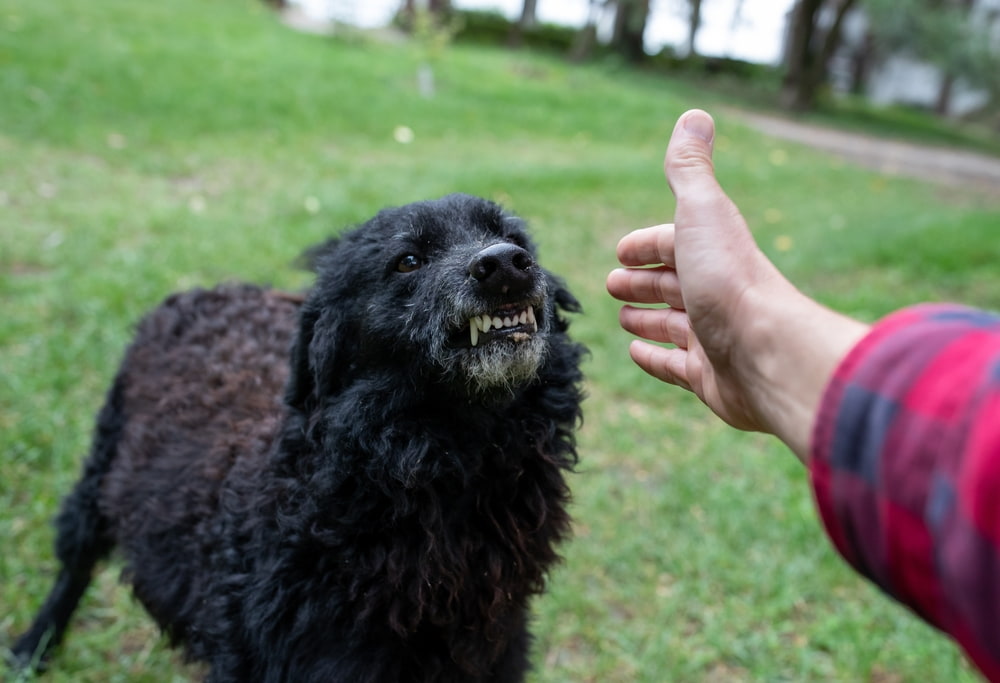
Oklahoma’s dog bite liability laws take a harder line on owners than most people expect. Title 4, Section 42.1 makes an owner responsible for damages without any showing that the dog had a history.
The owner’s usual response, that the dog had never done this before, carries no weight under the statute. What matters is where the injured person was standing and whether anything provoked the animal.
Key Takeaways About Oklahoma Dog Bite Liability
- Section 42.1 imposes liability “to the full amount of any damages sustained,” with no requirement to prove the owner was careless.
- The statute reaches injuries beyond bites, including a person knocked down by a lunging dog.
- Oklahoma courts have described the statute as attaching liability without fault.
- A separate common law negligence claim can still be brought, and sometimes reaches people the statute does not, including landlords.
- Owners of dogs formally declared dangerous must carry at least $50,000 in liability insurance, post a warning sign, and confine the animal indoors or in a locked enclosure.
Key Statistics About Dog Bite Injuries
Dog bites send hundreds of thousands of people to emergency departments each year, and the injuries are more expensive than most.
- An estimated 316,200 emergency department visits involved a dog bite in 2008, about 866 per day, according to the Agency for Healthcare Research and Quality. That analysis also found the average dog bite hospital stay cost $18,200, roughly 50% higher than the average injury-related stay.
- The United States recorded 468 deaths from being bitten or struck by a dog between 2011 and 2021, an average of 43 per year, according to CDC data. Annual totals rose from 31 in 2016 to 81 in 2021.
- The U.S. Postal Service reported more than 5,200 dog attacks on postal employees nationally in 2025, including 21 in Oklahoma City, which tied for 16th among cities. Postal carriers are named in Oklahoma’s statute.
Does an Oklahoma Dog Owner Have to Know the Dog Was Dangerous?
No. Oklahoma’s dog bite statute holds owners liable without any proof that the dog had ever shown aggression before. The statute covers a dog that “bites or injures” a person, so a knockdown counts. The injured person must have been somewhere they had a lawful right to be. Provocation and unlawful presence are the defenses that come up, and juries decide them. The statute does not apply in rural areas or in towns without city mail delivery.
That last exception surprises almost everyone, and whether it applies to a specific address is worth confirming before assuming anything.
Does an Owner Get One Free Bite in Oklahoma?
Two different approaches to the same question: whether an owner gets one free incident before the law holds them responsible.
Under a one-bite rule, an injured person generally has to show the owner knew or should have known the dog was dangerous. A first attack by a dog with no history often produces no liability. Some states still work this way.
Oklahoma does not require that showing. Section 42.1 never mentions the owner’s knowledge, and the elements Oklahoma courts read into it do not include it.
| One-bite approach | Oklahoma’s statute |
Must prove the owner knew the dog was dangerous | Yes | No |
Prior bite or aggression required | Usually | No |
Owner’s carelessness must be shown | Often | No |
Main defense | No knowledge of danger | Provocation, or unlawful presence |
Covers non-bite injuries | Varies | Yes, “bites or injures” |
The Oklahoma Court of Civil Appeals described the effect plainly in Hass v. Money, 1993 OK CIV APP 38, noting the statute “appears to attach liability without fault.”
What Must You Prove Under Oklahoma's Dog Bite Statute?
Four things: ownership of the dog, lack of provocation, a bite or other injury caused by the dog, and the injured person’s lawful presence where the attack happened.
Nothing on that list involves the dog’s history, the owner’s precautions, or whether a leash was used. Those facts can matter to damages and to a negligence theory, but they are not elements of the statutory claim.
What counts as an injury under the statute?
More than a bite. The statute reaches a dog that “bites or injures” someone, which brings knockdowns, scratches, and injuries from a dog lunging or jumping within its scope.
There is a limit. In Nickell v. Sumner, 1997 OK 101, the Oklahoma Supreme Court held the statute requires aggression directed at a person. A dog that chased a horse, causing the horse to buck and throw its rider, fell outside the statute because the aggression targeted the animal rather than the rider.
Who counts as lawfully present?
Oklahoma answers this by name. Section 42.2 lists people considered lawfully on private property, including anyone performing a duty imposed by the laws of this state or a political subdivision, anyone acting under postal regulations of the United States, and meter readers.
The list continues with workers repairing a public utility on the premises, contractors working at the owner’s or a tenant’s request, and anyone present “upon the invitation, either expressed or implied, of the owner or lessee.”
The section then closes with a catch-all, covering anyone on the property “for any other lawful purpose.” Letter carriers and utility crews fall under the named categories; a private delivery driver or a social guest generally falls under the invitation clause or the catch-all.
The same section defines “public place” broadly to include streets, sidewalks, alleys, parks, and privately owned businesses open to customers.
Children get particular attention in the case law. In Hampton v. Hammons, 1987 OK 77, the Court noted that children under seven are presumed incapable of more than a technical trespass, which mattered to whether a five-year-old was lawfully present.
Which Situations Fall Outside Oklahoma's Statute?
Two carve-outs matter most, and the first one is almost never mentioned.
Does the statute apply everywhere in Oklahoma?
No, and this catches people off guard. Title 4, Section 42.3 states that the act “shall not apply to rural areas of this state or to any cities or towns that do not have city or village United States mail delivery service.”
A dog attack on a rural property outside any municipality may fall entirely outside the strict liability statute. The Oklahoma Supreme Court applied this exception in Nickell v. Sumner, where the property sat inside Yukon city limits with mail service, so the exception did not defeat the claim.
Section 42.3 also preserves other theories, stating that nothing in the act diminishes “any right or liability for injury by dog bites now existing under the laws of this state.” Where the exception applies, a common law claim remains.
What does provocation mean in Oklahoma?
Oklahoma has never defined it by statute or in a published decision. Courts treat it as a question for the jury, deciding on the specific facts.
That leaves both sides arguing from ordinary meaning. Teasing, striking, cornering, or startling an animal all get raised, as does the counterargument that walking up a driveway or reaching to pet a dog its owner called friendly is not provocation at all.
Oklahoma’s dangerous dog law contains a related list, excluding classification where the injured person was trespassing, committing a crime, or tormenting the dog. That provision governs classification rather than the civil defense, though the categories overlap.
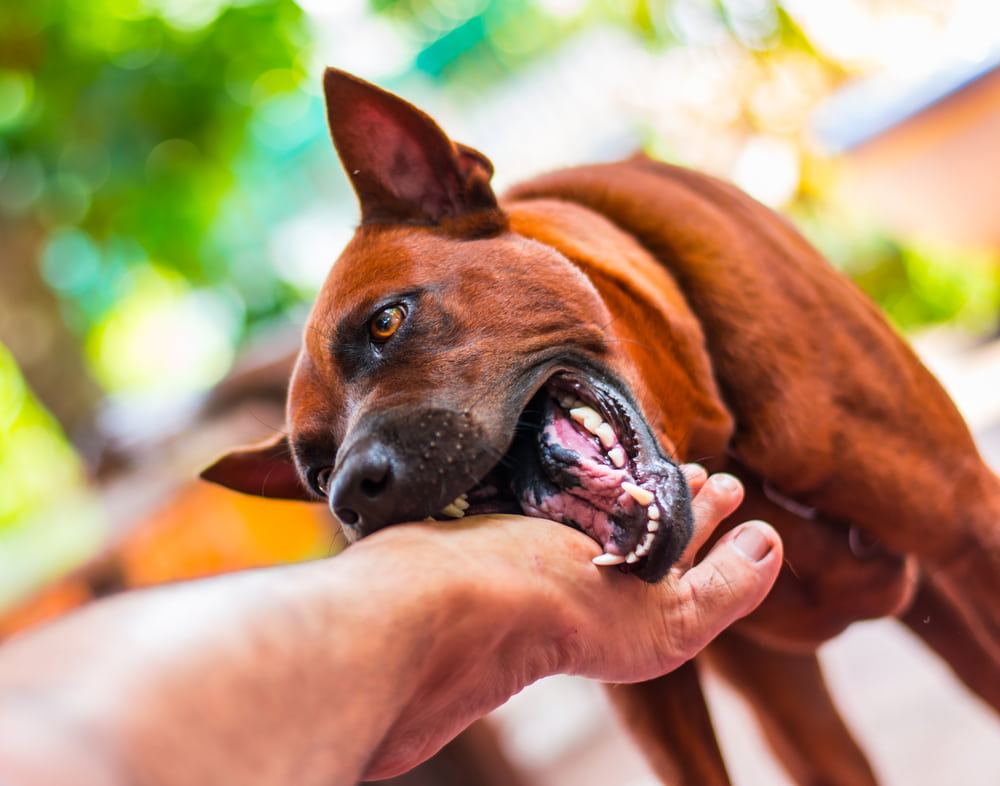
Can You Still Bring a Claim When the Statute Does Not Apply?
Often yes, through ordinary negligence. Oklahoma courts have consistently allowed both theories to proceed together.
In Hood v. Hagler, 1979 OK 163, the Oklahoma Supreme Court held it was an error to keep a common law claim from the jury, sending back the question of liability based on knowingly harboring animals with vicious propensities.
The negligence route sometimes reaches people the statute does not. In Wishon v. Hammond, 2023 OK CIV APP 36, the Court of Civil Appeals reversed summary judgment against landlords who did not own the dog, holding that a landlord who knew of and consented to a tenant’s dangerous dog could owe a duty to someone injured off the property.
What Are Oklahoma's Dangerous Dog Rules?
A separate registration system that applies after a dog has been formally classified.
Title 4, Section 44 defines a potentially dangerous dog as one that bites a person without provocation, or attacks and kills another dog without provocation. A dangerous dog is one that has inflicted severe injury on a person without provocation, or that bites or attacks again after the owner received written notice of a potentially dangerous classification.
Registration carries three conditions. A proper enclosure, which the statute defines as securely confined indoors or in a securely enclosed and locked pen or structure with secure sides and a secure covering, allowing at least 150 square feet for each dog over six months old. A clearly visible warning sign posted on the premises. And liability insurance of not less than $50,000 covering personal injuries the dog causes.
Outside that enclosure, a dangerous dog must be muzzled, restrained by a substantial chain or leash, and physically controlled by someone over 16. Violations are misdemeanors carrying up to a year in county jail and fines up to $5,000.
Oklahoma also limits what cities can do here. Section 46 permits local regulation of dangerous dogs, “provided the regulations are not breed specific.”
Oklahoma City adds its own animal control requirements on confinement and dangerous animals, found in the city’s Municipal Code. Those local rules can matter to a negligence claim even where the state statute already applies.
When Should You Talk to a Lawyer After a Dog Attack?
Soon, because two facts that decide these cases get harder to establish with time: who actually owned the dog, and whether the location falls inside or outside the statute.
Ownership is litigated more than people expect. Whether someone who keeps, harbors, or controls a dog counts as an owner has turned on the specific facts and on local ordinance language, and the answer can determine whether the statute applies at all.
Rental properties are worth a separate mention. A landlord who knew about a tenant’s dangerous dog can carry responsibility even without owning the animal, and that theory has to be developed early or not at all.
What Do People Often Gather After a Dog Bite?
Photographs of the wounds before treatment, then again during healing. Scarring evolves over months, and these claims frequently turn on permanent disfigurement rather than the initial emergency visit.
The animal control report matters more here than a police report does in most cases. It establishes ownership, vaccination status, and any prior complaints about the same animal, all of which are difficult to reconstruct later.
Witness names help, and so does the exact address. Whether the location sits inside a municipality with mail delivery is a legal question with a factual answer, and getting the address right early avoids a problem later.
Medical records documenting infection risk, nerve damage, and any recommended plastic surgery round it out.
Oklahoma Dog Bite Questions Answered by Attorneys
Who pays a dog bite claim, the owner personally or an insurance company?
Homeowner and renter policies commonly cover dog bite liability, which is why these claims often resolve without anyone paying out of pocket. Some exclude certain breeds or any dog with a prior bite, so the policy language matters.
What if the dog belonged to a friend or family member?
The claim still runs against their insurance rather than against them personally in most situations. People frequently hesitate for this reason, and the practical effect is usually that a carrier, not a relative, writes the check.
My child was bitten while playing in a neighbor's yard. Does that count as lawful presence?
It may. Implied invitation is enough under Section 42.2, and Oklahoma courts have treated young children with particular care on this question. Whether a specific child had permission is fact-dependent and worth reviewing rather than assuming.
What happens to the dog after a bite is reported?
Animal control typically investigates, confirms vaccination status, and may begin a classification process that can lead to a potentially dangerous or dangerous designation. That file becomes useful evidence, and it exists whether or not anyone files a claim.
Does signing a waiver at a groomer, kennel, or dog park affect a claim?
It can, and the language matters. A waiver may address the risks of the facility without reaching a specific animal’s owner, and Oklahoma’s statute runs against the owner rather than the business. Reading what was actually signed is the starting point.
Call For A Free Consultation.
Available 24 Hours A Day, 7 Days A Week.
The Sentence Every Owner Says
The dog has never done this before. Under Section 42.1, that sentence answers a question Oklahoma law does not ask.
What the statute asks instead is narrower and easier to settle: who owned the animal, where you were standing, and what happened right before. Most people can answer all three in a few minutes.
AP Injury Lawyers is located at 2248 NW 40th Street in Oklahoma City and serves clients in Oklahoma City, Norman, Moore, and Edmond. Call (405) 336-3000 at any hour, or reach us through our contact page. Consultations are free, and there is no fee unless there is a recovery.
