
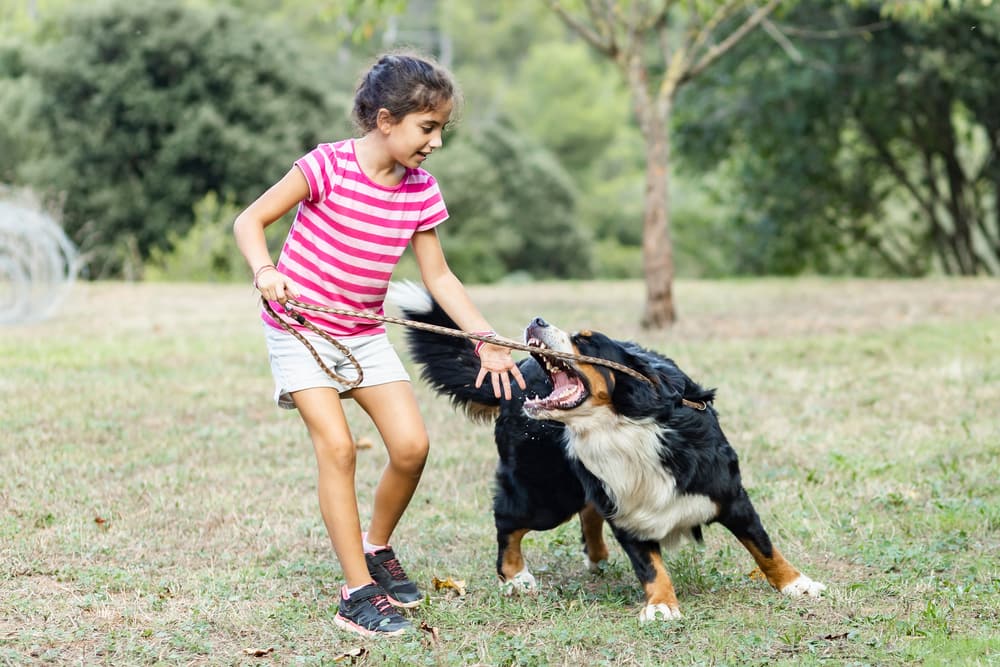
A bite from a stray dog or a wild animal runs on two clocks at once, and AP Injury Lawyers fields these calls with both already running. The medical clock is short and unforgiving. The legal clock is longer but leads somewhere less certain, because Oklahoma’s dog bite statute is built around the idea that every dog has an owner, and a stray does not.
That gap catches people off guard. Someone bitten by a neighbor’s dog has a fairly clear path. Someone bitten by a loose animal with no collar, or by a raccoon under a porch, is usually facing a large medical bill with no obvious defendant. The steps below are ordered the way the situation actually unfolds.
What Should You Do First After a Stray or Wild Animal Bites You?
Wash the wound with soap and running water for several minutes, then get to an emergency room the same day, because the rabies treatment decision is time-sensitive. Report the bite to Oklahoma City Animal Welfare so the animal can be located and quarantined. Who pays is the question that comes after, and with an unowned animal it is harder than most people expect.
The First Two Hours
Wound care first. The single most effective thing anyone can do for a possible rabies exposure is wash the wound thoroughly with soap and running water for several minutes. That alone substantially reduces risk, and it costs nothing.
Then go to an emergency department the same day, not the next morning. The decision about whether to begin rabies treatment depends on what animal was involved, whether it can be found, and what the local health department advises, and that assessment is made by a clinician rather than by the person who was bitten.
Bites also carry ordinary infection risk unrelated to rabies. Puncture wounds seed bacteria deep into tissue, and hand and face bites tend to get treated urgently.
Ask the hospital to photograph the wounds and to record where the bite happened and what the animal looked like. That record becomes the foundation of any later claim.
What Rabies Treatment Actually Involves
More than a shot, and far more expense than most people anticipate.
For someone never vaccinated, the Centers for Disease Control and Prevention describes post-exposure prophylaxis as four doses of rabies vaccine on days 0, 3, 7, and 14, plus a dose of human rabies immune globulin at the start, infiltrated into and around the wound. Someone vaccinated previously receives two doses, on days 0 and 3, without the immune globulin.
The cost is the part that shocks people. In a health advisory issued in September 2026, the CDC stated that “a typical course of PEP can cost between $11,000 and $14,000 per person.” That same advisory noted a sharp rise in rabies exposure inquiries and a 76% increase in immune globulin utilization compared with the prior year.
Rabies is nearly always fatal once symptoms begin, and the treatment is highly effective when started promptly. The CDC’s rabies prevention page covers what exposure means and when treatment is recommended. This is not a decision to postpone over cost, and hospitals have financial assistance processes that exist for exactly this situation.
Who Do You Report the Bite To in Oklahoma City?
Oklahoma City Animal Welfare. The city instructs residents to report all animal bites within city limits to Animal Welfare, and to have ready the date, time and location of the bite, the victim’s identifying information, and the location of the wound. The reporting line and hours are listed on that page.
Reporting does two things at once. It triggers the public health process that may let you avoid a full course of treatment, and it creates the official record any injury claim will eventually need.
What does quarantine mean for the animal?
For a dog, cat, or ferret that bites a person, Oklahoma’s zoonotic disease rules require the animal be placed in quarantine under the supervision of a licensed veterinarian for ten days from the date of the bite. Oklahoma City states that it will have a biting animal quarantined for ten days to watch for signs of rabies.
The reason for that window is practical. An animal that is still healthy ten days later was not shedding rabies virus at the time it bit you, which can end the need for treatment. This is why locating the animal matters so much and why the report should go in immediately rather than after the emergency room visit.
What if the animal was not a dog?
Different rules apply. For animals outside the dog, cat and ferret category, Oklahoma’s rules allow the health department to order a thirty-day observation period for an animal determined to be at very low risk of transmitting rabies, as an alternative to euthanasia and testing.
For genuinely wild animals, bats and skunks in particular, the assessment usually proceeds without the animal, because it is rarely captured. Bat exposures get treated cautiously even when no bite is obvious, since bat bites can be small enough to go unnoticed.
Why Oklahoma's Dog Bite Law May Not Help You
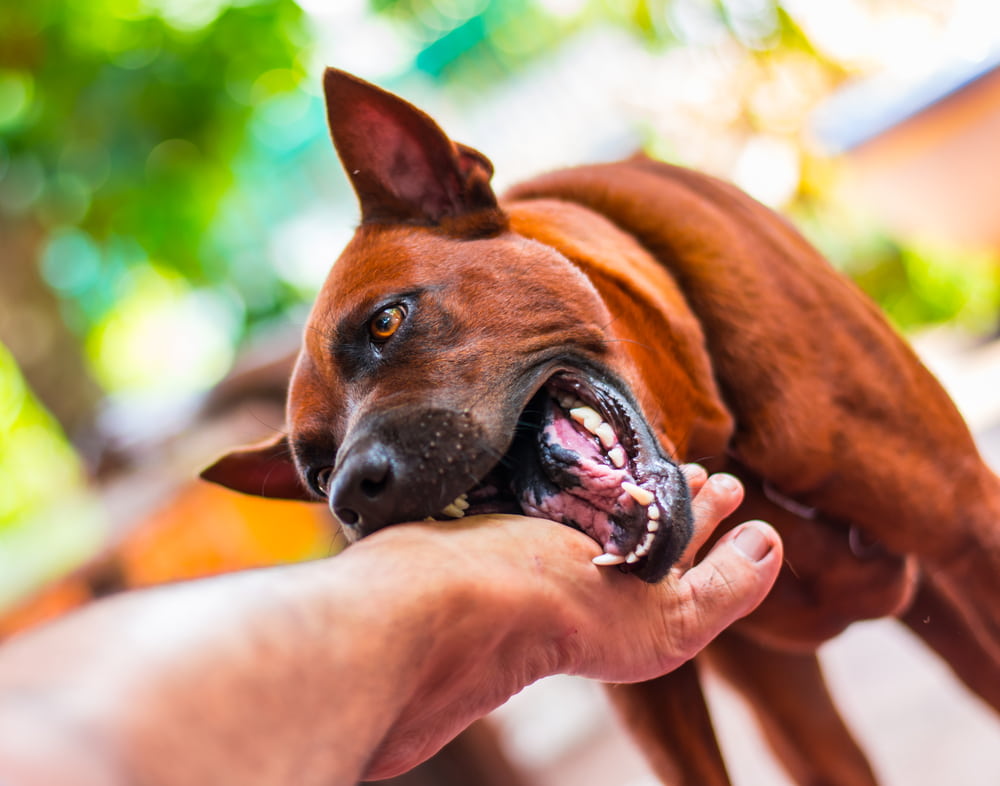
Because it is written around ownership. Oklahoma’s statute, 4 O.S. § 42.1, provides that “the owner or owners of any dog shall be liable for damages to the full amount of any damages sustained when his dog, without provocation, bites or injures any person while such person is in or on a place where he has a lawful right to be.”
That is a strict liability rule, and it is favorable. There is no one free bite in Oklahoma, and a victim does not have to prove the owner was careless. The full text sits in Title 4 of the Oklahoma Statutes.
The problem is the first six words. Liability attaches to the owner. With a genuine stray, there is no owner to sue.
Oklahoma courts have also declined to stretch the term. In Hass v. Money, 1993 OK CIV APP 38, the Court of Civil Appeals considered whether someone who merely keeps or harbors a dog falls within the statute and did not extend strict liability that far. A dissenting judge would have read “owner” to include anyone who possesses, controls, harbors or maintains a dog, but that view did not carry.
One more limit is worth knowing. Section 4 O.S. § 42.3 states that the act does not apply to rural areas of the state or to cities and towns without United States mail delivery service. Inside Oklahoma City this is not an issue. Outside it, the strict liability rule may simply not reach.
So Who Can Be Responsible for a Stray?
Honesty serves better than optimism here. Oklahoma law on unowned animals is thin, and no appellate decision resolves most of these questions. Several theories exist, and which one fits depends on the facts.
Someone may turn out to be the owner after all. Animals described as strays frequently belong to a neighbor who has been feeding and sheltering them, and a loose dog without a collar is not necessarily ownerless. Microchip scanning and neighborhood canvassing regularly identify an owner who then falls squarely within § 42.1.
A property owner may bear responsibility under ordinary premises liability principles if a dangerous condition existed and they knew or should have known about it. Oklahoma has not addressed how that framework applies to a stray specifically, so this is an argument rather than a settled rule.
A public entity may be involved where animal control received prior complaints about the same animal and failed to act. That claim is harder, and it carries a much shorter deadline.
For genuinely wild animals the dog bite statute does not apply at all, and no Oklahoma case sets a general rule for injuries caused by native wildlife. Claims there usually depend on something a property owner did rather than on the animal itself.
None of that makes a claim impossible. It means the investigation does most of the work.
When a Government Entity Is Involved
The deadlines change completely, and they are short.
Under the Governmental Tort Claims Act, written notice of a claim against the state or a political subdivision must be presented within one year after the loss occurs. The entity then has 90 days to act, and a claim not approved within that window is deemed denied. A lawsuit must be filed within 180 days after the denial.
Compare that to the two years an ordinary injury claim gets, and the reason for moving quickly becomes obvious. If a city agency is potentially involved, the notice should be prepared well before that one-year mark.
Who Pays for the Treatment in the Meantime?
Several sources often apply before any liability claim resolves.
Health insurance is usually the first, since rabies treatment is a covered medical service. Medical payments coverage on an auto or homeowner’s policy sometimes applies depending on where the bite happened. Homeowner’s or renter’s insurance becomes relevant once an owner is identified, since most policies cover dog bite liability, which is another reason the ownership question drives everything.
Hospitals in Oklahoma maintain financial assistance programs, and asking at the time of service is far easier than untangling the bill a year later.
What Helps a Claim Like This
The first 48 hours do most of the work.
Photograph the wounds before they are dressed and again as they heal, and photograph where it happened. Get contact information from anyone who saw it, especially anyone who recognized the animal. A neighbor saying “that dog belongs to the house on the corner” can change the entire case.
Note the animal’s size, color, markings, collar, and the direction it went. File the report and write down the report number. Keep every bill and the treatment schedule, since the dates of each dose document the course.
Then follow up on the animal’s status. Whether it was caught, whether an owner was identified, and what the quarantine showed all arrive later and are easy to lose track of.
Stray and Wild Animal Bite Questions People Ask
The dog ran off and was never found. Is there anything left to pursue?
Possibly, and the answer usually comes from the investigation rather than from the law. Animal Welfare records, prior complaints in the same area, and neighbors who recognize the animal frequently produce an owner weeks after the bite. It is worth asking before assuming there is no claim.
I was bitten trying to help an injured stray. Does that count against me?
The statute’s provocation element applies to owned dogs, and whether approaching an injured animal amounts to provocation is fact-specific. Acting with good intentions does not automatically defeat a claim, though it is the kind of fact the other side will raise.
Do I have to get the rabies shots if the animal looked healthy?
That is a medical decision for a clinician together with the health department, not a legal one. A healthy appearance does not rule out rabies, which is why the ten-day observation period exists. If the animal can be located and quarantined, treatment can sometimes be avoided or stopped.
My child was bitten by a loose dog at a park. Is a city liable for that?
Only in limited circumstances, usually involving prior notice of the same animal and a failure to act. These claims are harder than claims against an owner, and they carry the shorter government deadline, so they are worth evaluating early rather than late.
Can I recover for scarring and not just the medical bills?
Scarring and disfigurement are recognized categories of harm in Oklahoma injury claims, and they matter a great deal in bite cases involving the face, hands, or arms. Documenting the healing process with dated photographs supports that part of a claim.
Call For A Free Consultation.
Available 24 Hours A Day, 7 Days A Week.
The Report You File Today
Most people spend the days after a bite thinking about the wound and the shots, which is the right priority. The report to Animal Welfare is the step that gets skipped, and it is the one that most often turns an unowned animal into an owned one.
If you or your child was bitten in the Oklahoma City metro and you are trying to sort out who is responsible, AP Injury Lawyers handles dog bite and animal injury claims and there is no charge to talk it through. Call or text +1 (405) 336-3000.
